Chapter 2: The Shrine Behind the Deadbolt
The bronze deadbolt on the outside of my bedroom door did not belong in a family home.
It was an industrial-grade, double-cylinder Schlage lock, installed five feet off the floor, complete with a reinforced steel strike plate screwed four inches into the solid oak stud.
For eight years, I had believed that lock was meant to keep me in—to ensure that if I woke up disoriented from my anti-seizure medication, I wouldn't wander into the front hallway and startle the pristine Southern family Mitch was marrying into.
Now, standing in the dark corridor at one o'clock on Easter morning, with my father’s master key heavy and freezing between my fingers, I realized the lock had never been meant to keep me in.
It was meant to keep Avery out.
I slipped the brass key into the cylinder.
Click.
The mechanism gave way with a smooth, oiled glide that proved it had been maintained meticulously.
I pushed the door open.
The room was bathed in the eerie, pale glow of four electric wax candles flickering on the cedar dresser.
The scent that rolled out into the hallway made my stomach heave: dried lavender, expensive frankincense, and the cloying, sweet undertone of preservation spray.
This was not my bedroom.
The rumpled quilt I had slept on two nights ago was gone. The paperbacks I read by flashlight were gone. The small, chipped porcelain rabbit Grandma had given me for my sixteenth birthday was nowhere to be seen.
In their place was a museum of a ghost.
My high school track jersey—Number 14, crisp and unwashed, bearing the faint, yellowed rust-colored stains of dried blood along the left shoulder seam—hung framed in museum-grade UV glass above the headboard.
On the bedside table sat an open Bible, marked with a satin ribbon at Psalm 23, flanked by a crystal urn containing pale, powdery gray sand.
And lining the walls, mounted in matching gilded frames, were dozens of handwritten letters.
I walked toward the dresser, my footsteps soundless on the plush cream carpet that my parents must have rolled out over the bare floorboards whenever Avery arrived.
I leaned over the dresser, picking up the nearest framed parchment.
The paper was thick, deckle-edged linen, written in an elegant, looping cursive with purple fountain pen ink:
“Dearest Stacey,” the letter read.
“Though we never met on this earth, your brother speaks of your grace every single day. Mitch keeps your Bible on his desk at the district attorney’s office. Whenever the weight of his cases threatens to break him, he touches your track medal and remembers that he is carrying the torch you left behind. I pray for your eternal peace every night, sweet sister. Watch over our wedding from heaven. All my love, Avery.”
My breath hitched into a jagged, suffocating gasp.
I turned to the next frame.
“Dear Stacey,” written in the bold, imposing script of Judge Harrison Vance. “Eight years ago, our community lost a shining light to the tragic recklessness of a phantom drunk driver on Highway 9. But through the foundation that bears your name, twelve rural high school athletes have received full collegiate scholarships this spring. Your sacrifice continues to redeem our county. Rest well in the arms of the Savior.”
A phantom drunk driver.
They didn't just tell Avery I died.
They constructed an elaborate, saintly martyr mythology. Mitch hadn't been the drunk boy behind the wheel of a speeding pickup; he was the heroic, grieving brother who had pulled his dying sister from the burning wreckage, vowing over her lifeless body to spend his life fighting for justice in the legal system.
And every Easter, Avery and her mother walked into this room, knelt beside the framed bloody jersey, and prayed over a crystal urn filled with decorative craft sand, weeping for the dead girl who was currently forty-five minutes down the road, scrubbing tractor grease off her fingernails in Ruth’s barn.
""You like the display?""
A low, smooth voice sounded from the open doorway.
I spun around, my spine slamming into the dresser, knocking one of the electric candles to the floor.
Mitch stood framed in the doorframe.
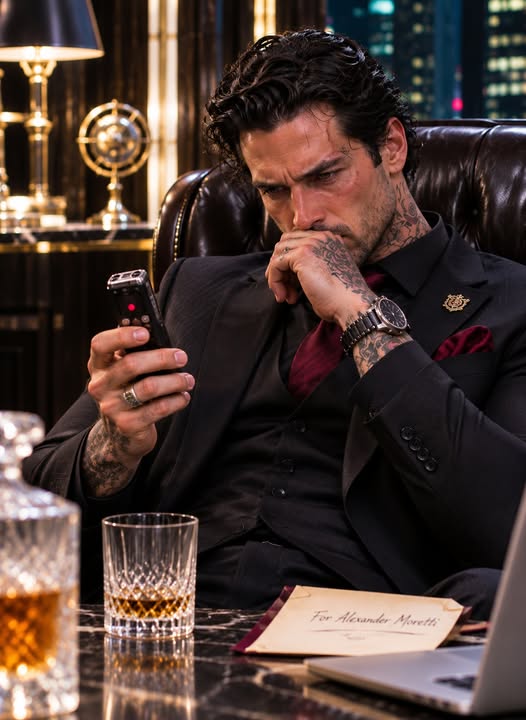
At twenty-nine, my brother looked like an advertisement for the New South political machine. He wore tailored navy trousers, a pale blue Oxford shirt with the sleeves rolled once to reveal his gold signet ring, his dark hair parted with razor precision. He held a glass of bourbon in his right hand, swirling the amber liquid with a calm, predatory ease that made my blood curdle.
""Mitch,"" I breathed.
He didn't flinch. He didn't look ashamed. He took a slow sip of his drink, leaning his shoulder against the doorjamb.
""Mom told me you found the frame on the dining table,"" Mitch said, his voice quiet, conversational, and utterly devoid of remorse. ""I told her leaving it out before the service was sloppy. But then again, Eleanor always gets sentimental around Easter. She likes to review the foundation’s annual balance sheet before the cameras show up.""
""You built an entire career on my grave, Mitch,"" I whispered, the words shaking with a fury so violent my vision tunneled. ""You told your fiancée I died saving you from a phantom car!""
Mitch let out a soft, dismissive chuckle that sounded like dry leaves scraping across concrete.
""It was a good story, Stacey. Voters love a tragedy with a redemption arc. A young, brilliant prosecutor driven by the memory of his lost baby sister? It polls twelve points higher in the rural districts than a clean record.""
He stepped into the room, his leather loafers silent on the carpet, stopping three feet from where I stood trembling.
""You think this was easy for me?"" Mitch sneered, his eyes narrowing into cold slits. ""Do you have any idea how exhausting it is to spend eight years looking mournful every time someone brings up track and field? Do you know what it’s like to kneel on that rug with Avery’s mother while she babbles about guardian angels, wondering if you’re going to show up early because you forgot your damn epilepsy pills?""
""I'm going to tell her,"" I said.
The words fell between us like an iron anvil.
Mitch stopped swirling his glass.
His jaw set into a hard, rigid line, the polished corporate mask cracking to reveal the same vicious, entitled boy who had slammed his foot down on the accelerator of that Ford Ranger eight years ago.
""You're not going to tell anyone anything, Stacey,"" Mitch whispered.
""Watch me,"" I said, taking a step toward the door. ""Avery is at the country club cottage right now. I have my car keys. I have this frame. I will drive up to that clubhouse and introduce myself as the ghost she’s been writing letters to for five years.""
Mitch’s arm moved with instantaneous, terrifying speed.
His hand clamped around my upper arm like an iron vise, his fingers digging into the muscle, shoving me violently backward until my hips struck the cedar dresser. The crystal urn tipped over, spilling gray sand across the polished wood.
""Listen to me, you little parasite,"" Mitch hissed, his face inches from mine, his breath reeking of high-dollar whiskey. ""You think Avery is going to believe a word that comes out of your mouth? Look at you. You have a documented traumatic brain injury from that crash. You have a history of post-concussive psychosis in your medical chart from Emory—a chart my future father-in-law personally had sealed.""
My breath seized. ""What did you put in my chart?""
""Whatever the doctors needed to write to justify why you were kept secluded on a farm,"" Mitch smiled—a cold, sickening baring of teeth. ""You walk into that country club, Stacey, and my security detail won't even let you clear the gate. I’ll have the county sheriff—who happens to be Avery’s second cousin—pick you up on a psychiatric hold before you can take two steps across the grass.""
He leaned in closer, his thumb pressing hard against a nerve in my bicep until tears of pain pricked my eyelids.
""You survived that wreck, little sister,"" Mitch whispered. ""Be grateful for that. Take your four hundred dollars, get in your beat-up sedan, and drive back to your peach trees. Because if you ruin this wedding tomorrow... I will make sure the next death certificate we file is real.""
Related Stories