Chapter 5: The Line Crossed
By noon, the news had broken across local media outlets and digital news feeds throughout Minnesota.
*“Prominent Duluth Real Estate Executive Arrested in Historical Child Endangerment and Fraud Investigation.”*
The headlines spread across social media like wildfire, accompanied by audio clips of the Whitaker doorbell recording and excerpts from the root cellar medical release form. The digital landscape that my mother had spent decades manipulating to craft her untouchable matriarchal image was suddenly turning its full, merciless spotlight onto her crimes.
By afternoon, the corporate law firm that had sent me a cease-and-desist letter posted a public statement on their website announcing they were severing all ties with Clara Lane effective immediately.
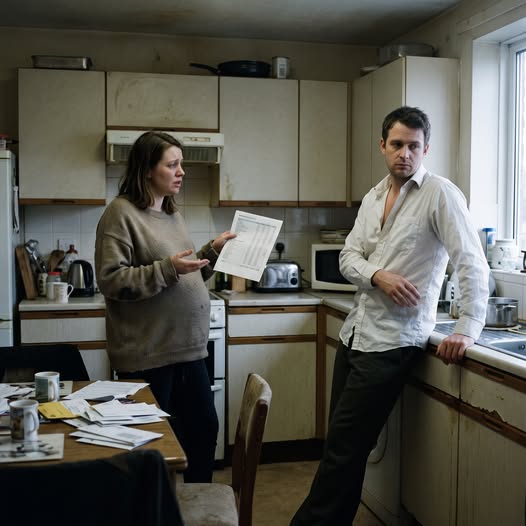
I sat at the kitchen table in my childhood home—the house that was now legally reverting back to my father’s estate and my joint co-trusteeship—staring at my laptop screen as notifications cascaded down the display in an endless waterfall of comments, messages, and interview requests.
My phone buzzed on the wood.
An unfamiliar local number.
I hesitated, then swiped to answer.
“Harper?”
The voice was older, cracked, and unmistakably broken.
My father. Daniel.
We hadn't spoken since our diner meeting weeks ago, but the news coverage had clearly reached him wherever he was keeping his quiet, solitary life.
“I’m here, Dad,” I said softly.
“I saw the reports,” he whispered, his breathing shaky. “I saw what she kept in that safe. Harper... I didn't know about the root cellar. When we separated, she told the court you refused to speak to me, that you wanted nothing to do with my side of the family. She had affidavits forged...”
“I know, Dad,” I interrupted, my voice steady. “She forged a lot of things.”
“Can I... can I come see you?” he asked, the desperation in his tone stripping away the last remnants of the distant, emotionally stunted figure I had grown up with. “I know I wasn't there. I know I walked away when things got too heavy to carry. But I want to help you fix this. Whatever it takes.”
I looked out the kitchen window, watching a pair of sparrows dart across the damp lawn toward the spot where the porch railing used to stand.
“Come over tomorrow morning,” I told him. “We have a lot of history to rewrite.”
I hung up the phone and closed the laptop. The silence in the kitchen was heavy, but it wasn't the suffocating silence of fear anymore. It was the quiet stillness of a slate wiped clean.
Then my phone buzzed again.
It wasn't my father. It was an encrypted text message from an unknown burner device, forwarded through an automated legal relay service.
I opened it.
The message contained no pleasantries, no threats, and no legal jargon. Just a single address in downtown Duluth—an industrial warehouse near the shipping docks—and a short, chilling instruction:
*“If you want the final financial transfer records that prove where she hid your grandmother’s estate before the state seizes the accounts, come alone to bay four in one hour. Don't call Ruiz. Don't bring the police. Or the last piece of your family history burns with the files.”*
I stared at the screen, my heart slamming against my ribs as the realization hit me:
The network wasn't dismantled yet. Someone else was still holding the match.
Related Stories