Chapter 14 - The Perimeter of Fire
The pursuit vehicle, a heavy-duty tactical truck, tore through the rows of rusted chassis like a scythe through wheat. Metal screeched and crumpled as it plowed over the low-slung wrecks, its high-beam LEDs painting the impound lot in harsh, oscillating white. Toby and I were just silhouettes, darting through the labyrinth of decaying steel, the brake line assembly clutched in my fist like a holy relic.
"Keep moving!" I shouted over the roar of the truck’s engine. "Toward the rail siding!"
The rail siding was our only hope. Beyond the perimeter fence lay the embankment—a steep, scrub-choked slope that led down to the drainage tunnels we had navigated earlier. If we could reach the culvert, we could lose them in the underground veins of the city.
A bullet whistled past my ear, splintering a piece of rusted sheet metal just inches from my head. I didn't turn back. I focused on the rhythm of my boots against the uneven, gravel-strewn ground. Toby was faster, his athletic frame vaulting over hood-high debris with a grace that made my lungs burn with envy.
"They're flanking us!" Toby yelled.
I glanced to the left. Two men on foot were sprinting along the fence line, cutting off our direct path to the gate. They didn't have the heavy tactical armor of the truck crew, but they had rifles, and they were moving with the grim efficiency of hunters who knew the terrain.
"Split up!" I ordered. "Draw them toward the crushers!"
"Dad, no—"
"Go!" I shoved him toward a row of stacked shipping containers. "I’ll draw the truck. Meet me at the drainage pipe by the main line!"
Without waiting for his protest, I veered sharp right, sprinting toward the heavy industrial crushers. The tactical truck swerved, its tires spitting gravel, and followed my path. It was a lumbering beast, built for intimidation rather than speed, and the narrow gap between the crushers was designed for forklifts, not armored monstrosities.
As I dived behind a stack of hydraulic presses, I heard the crunch of metal against metal. The driver had underestimated the width of the gap. The truck slammed into the frame of the crusher, the impact shaking the ground and sending a shower of sparks into the night air. The engine roared, stalled, and then sputtered into a frustrated silence.
I didn't wait to see if they were crawling out. I sprinted through the gap, my heart hammering against my ribs, and slid down the gravel embankment toward the rail siding. The smell of creosote and old iron greeted me—the scent of my father’s world.
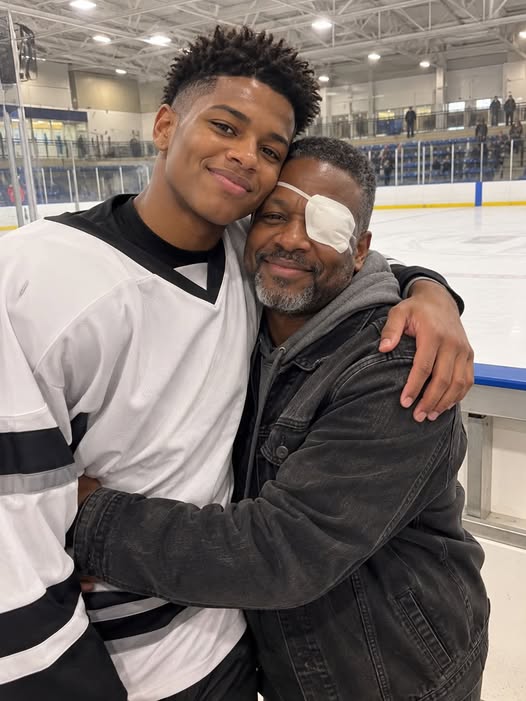
Toby was already there, hunched behind a support pillar of the overpass. He had his jacket off, using it to wrap the brake line assembly to keep it from clinking as we moved.
"You're okay," he breathed, his face streaked with dirt and sweat.
"I'm here," I rasped, leaning against the cold concrete. I looked at the assembly in his hands. "We have the proof. We have the link."
"What now?" Toby asked, looking toward the distant glow of the city skyline, where the towers of Thorne's empire stood like jagged teeth. "We can't go back to the warehouse. That woman—she knew they were waiting for us at the lot. She sent us in there to be bait."
"She needed them to show their hand," I said, a bitter realization dawning on me. "By sending us to the lot, she forced the guards to engage. She’s recording every move, Toby. She’s not fighting a war for justice; she’s fighting a war for a coup, and she’s using us to create the chaos she needs."
"Then we don't give them the evidence," Toby said, his eyes hardening. "We go to the one person who can't be bought by the syndicate or the 'Archive'."
"The Press?" I shook my head. "The news outlets are owned by the very people we're fighting."
"Not all of them," Toby said, reaching into his pocket and pulling out the phone he had used for the stream earlier. "I uploaded the raw footage of the archive discovery to a secure cloud server while we were in the tunnel. I didn't send it to the Attorney General. I sent it to a contact I met on the basketball circuit—a kid whose father is a investigative reporter for a national syndicate. They’ve been looking for a break on the Thorne story for years."
I looked at my son, realizing he hadn't just been following my lead; he had been building his own survival strategy.
"If we give them the brake line, we give them the smoking gun," I said, a slow, grim smile spreading across my face. "They won't just report the fraud. They'll have to report the murder."
"Then let's get out of here," Toby said.
But as he moved to stand, a single, sharp sound echoed through the siding—the click of a safety being disengaged. We froze. From the shadows behind the pillar, a figure stepped out, holding a phone in one hand and a pistol in the other. It wasn't one of the syndicate guards. It was the woman from the warehouse.
"You’ve been an excellent distraction, Jack," she said, her voice smooth and dangerous. "But your son’s little stunt with the server? That was a mistake. We don't want the story going to the press. We want the story to be the leverage that installs our board."
She stepped into the moonlight, the muzzle of her gun steady. "Give me the brake line. Now."
I stood up slowly, putting myself in front of Toby, my hand closing around the pry bar I’d kept in my waistband. The trap hadn't been set by the hitmen; it had been set by the architect. And I realized then that the only way to win was to burn the board entirely.
Related Stories