Chapter 3: The Ghost at LZ English
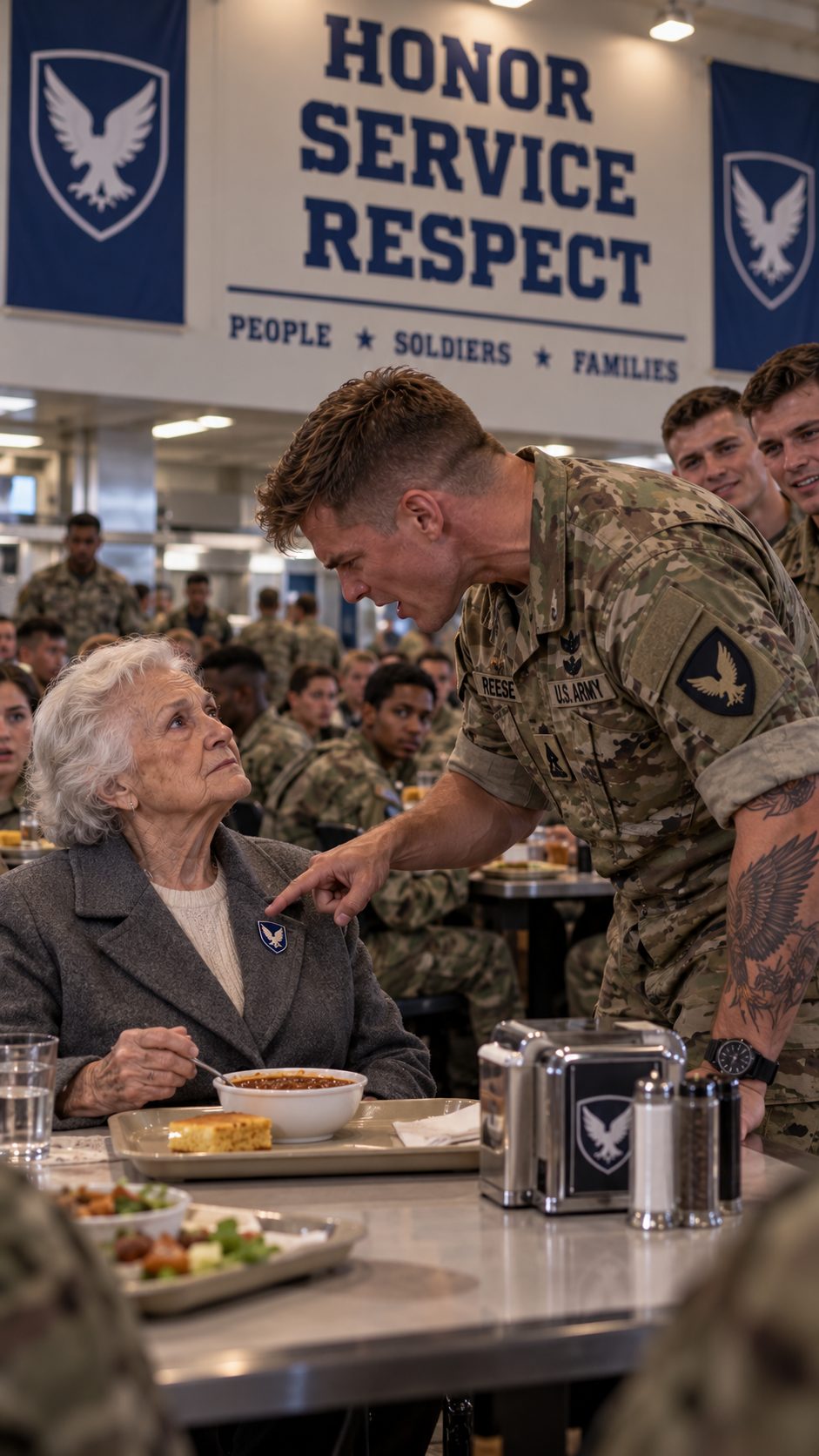
The office of the division commander was quiet, high above the flight line where the heavy rotors of the Black Hawks turned slowly in the afternoon damp.
The blinds were drawn against the Kentucky drizzle.
Nathan sat behind a wide oak desk, the yellowed papers from the leatherette notebook spread under the cold circle of a brass desk lamp.
I sat in the leather wingback chair opposite him, my tea cooling on a cork coaster.
""The official record says David was killed by mortar fire during the initial perimeter breach,"" Nathan murmured, running his thumb over the brittle carbon report. ""He was awarded the Silver Star posthumously. My mother kept the flag folded in the cherry case on the mantel until the day she died.""
""Your mother didn't know the rest of it, Nathan,"" I said, watching the rain strike the reinforced glass behind him. ""Neither did the board of inquiry.""
""What rest, Quinn?"" His voice had the edge of an officer who has spent his life believing a tidy family legend, only to see the threads unraveling before him.
""David wasn't in the bunker when the mortar hit,"" I said, the memories coming back with the smell of wet clay, diesel smoke, and burning blood that fifty-six years had failed to scrub from my head. ""He was down in the supply revetment with a thirty-caliber carbine, trying to stop three men from loading two wooden pallets onto an unmarked slick.""
Nathan's eyes lifted from the desk, sharp and narrowed. ""An unmarked helicopter? Whose?""
""It belonged to a civilian logistics group out of Saigon,"" I said. ""Air America had five contracts in the province, but these boys didn't have flight tags on their suits. They had papers signed by an administrative colonel in the corps support command. They were moving pharmaceuticals—pure, unadulterated medical opiates—out through the central coast to private brokers in Bangkok.""
Nathan leaned back, his breath coming out slow and ragged through his teeth. ""A black-market pipeline. In sixty-eight.""
""It was a ten-million-dollar syndicate, Nathan. And your uncle David had the manifests. He found the altered bills of lading in the field hospital safe while I was stitching up shrapnel tears on boys who were nineteen years old.""
I pointed to the red grease pencil sketch in the notebook.
""That wasn't a tactical retreat map,"" I explained. ""That was the layout of the supply bunker where they staged the crates. When the mortar attack started, David didn't head for the command post. He ran straight into that revetment to lock the steel doors before the bird could lift off.""
""And?"" Nathan pressed, his voice tight as a wire.
""The mortar didn't hit the bunker, Nathan,"" I said, looking him dead in the eye. ""One of the civilian loaders had a grease gun. He shot your uncle twice in the ribs at four feet. When David went down, they kicked him into the ditch, dumped a fuel drum over the wreckage, and set the whole bay on fire to make it look like an enemy hit.""
The silence in the commander's office was heavy enough to bend iron.
Nathan picked up the envelope taped to the back cover. He broke the brittle seal with his thumb, pulling out two folded sheets of personal stationery stamped with the old crest of the 101st Airborne.
His eyes scanned the handwriting.
A muscle in his temple jumped, twitching with rhythmic, suppressed fury.
""Who was the colonel, Quinn?"" Nathan asked, his voice dead and level. ""The one who signed the transfer manifests.""
""Look at the bottom of the second page, son,"" I told him.
Nathan flipped the sheet.
His face didn't go red; it turned the color of dry bone.
""Arthur Vance,"" Nathan read aloud, the whisper carrying the weight of a dropped anvil.
""Your grandfather,"" I said softly.
Nathan stared at the paper.
The grandfather whose official portrait hung in the long corridor outside this very office—the celebrated brigadier general who had retired with thirty-two years of service, four legion of merit medals, and a bronze bust dedicated at the post chapel.
""Grandfather was the deputy logistics officer for the division,"" Nathan whispered, the foundations of his entire lineage beginning to crumble under the desk lamp. ""He was the one who presented the medal to my mother. He told her David died a hero defending the hospital tent.""
""He told her what kept the family name clean,"" I said. ""And what kept his own retirement pension out of the federal penitentiary at Leavenworth.""
Nathan slowly folded the letter, his knuckles white as marble.
""Why did you keep this for fifty-six years, Quinn?"" he demanded, looking up with eyes that were suddenly filled with the anguish of an orphaned boy. ""Why didn't you hand this to the CID in nineteen-sixty-eight?""
""Because in nineteen-sixty-eight, Arthur Vance was a brigadier general with his hand on the throttle of the promotion boards, and I was a twenty-five-year-old nurse with two dead friends and a bullet wound in my thigh,"" I answered, not wavering an inch. ""If I had spoken that name out loud, I would have spent twenty years in a locked ward in Washington, and David’s name would have been stripped from that wall down in the dining hall.""
I leaned forward, tapping the tattered leatherette cover.
""David told me to wait until an honest man was holding the guidon,"" I said. ""A man who didn't owe Arthur Vance a damn thing.""
Before Nathan could speak, the red intercom light on his executive console flashed twice.
His aide-de-camp's voice came through the speaker, crisp and urgent:
*""General Vance, sir. The congressional delegation has returned from the airfield. Senator Crawford and his defense counsel are requesting an immediate executive conference in the anteroom. They're asking about the historical audit on the 1968 medical memorial.""*
Nathan looked at the letter in his hands, then at me.
""Crawford,"" Nathan murmured, his voice hardening into a blade. ""Senator Crawford was Arthur Vance's chief of staff in sixty-eight.""
---
Related Stories