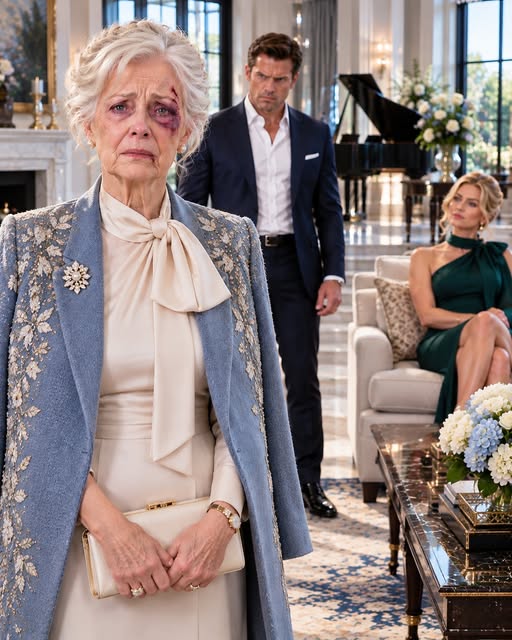
Chapter 4: The Ghost in the Endowment
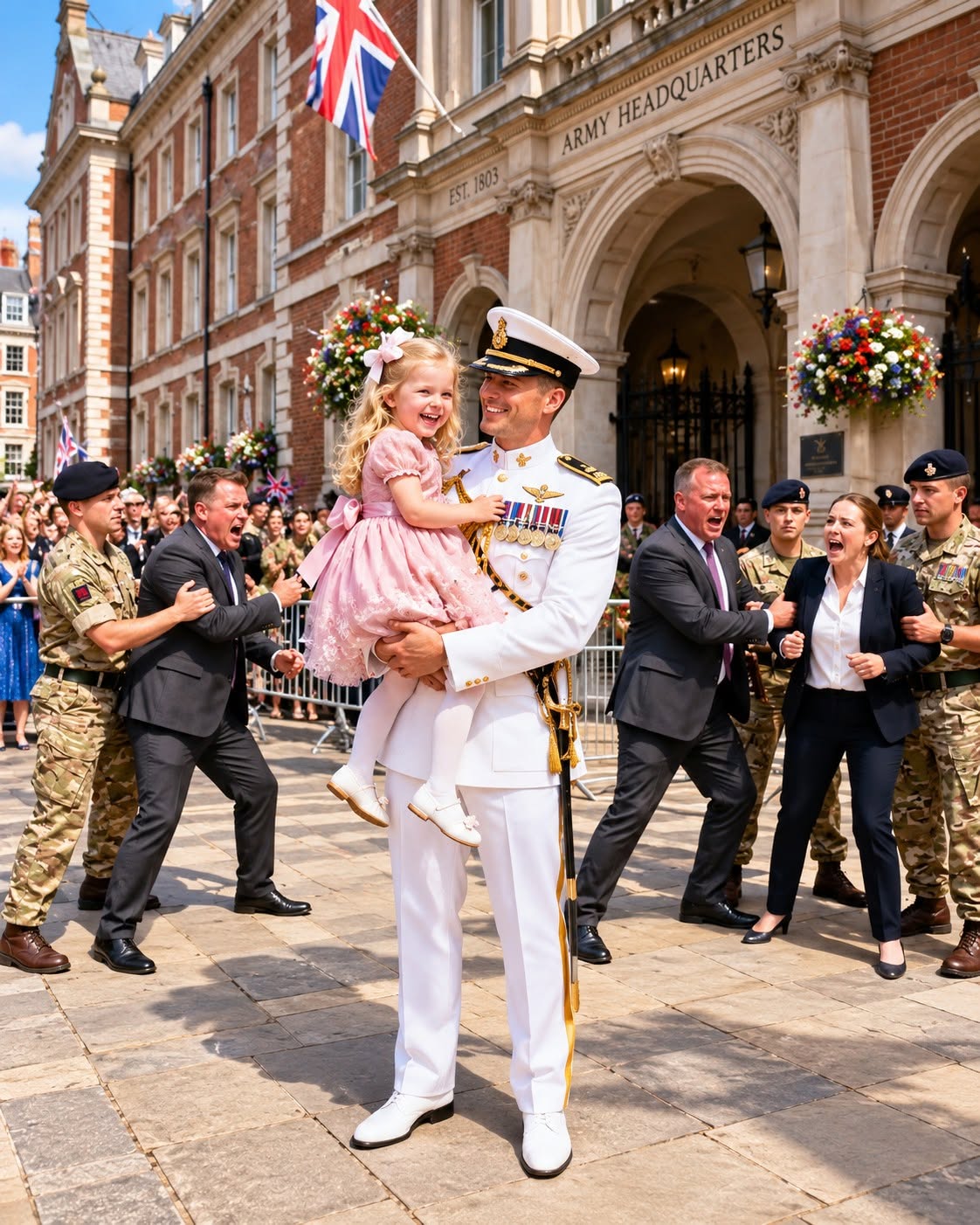
Bradley Sterling did not sit down. He gripped the edge of the glass table so hard his gold signet ring scraped against the surface, his face mottled with a dark, dangerous crimson that looked ready to burst the veins in his neck.
“You can’t attach my corporate holdings, General!” Sterling snarled, his voice rising into that venomous, entitled screech of a billionaire who had spent forty years buying his way out of federal oversight. “My private investments have nothing to do with this school’s operational budget! I am a private donor! I gave twelve million dollars to build an arts pavilion!”
“You didn't give twelve million dollars, Mr. Sterling,” I said, pulling a second document from Colonel Vance’s folder and laying it flat under the crystal lights. “You pledged twelve million dollars in subordinated commercial bonds issued by a real estate shell company registered in the Cayman Islands—bonds that are currently backed by the real property of this very campus.”
I looked around the table at the ten other board members—local surgeons, retired judges, and tech executives who had spent years nodding along at quarterly dinners while Sterling ran the institution like his personal fiefdom.
“Do any of you actually know who owns the eighty acres of land beneath your feet?” I asked quietly.
A heavy, uneasy silence fell over the room. The board members exchanged quick, nervous glances.
“The land was donated in 1968 by the Fairfax Heritage Foundation,” one elderly woman murmured, her voice trembling. “It has been held in trust for educational use for nearly sixty years.”
“The land was donated by my wife’s grandfather, General Richard Vance,” I told them, every word dropping into the silent room like an iron anvil. “And in 2021, when my wife, Major Claire Vance, was killed in action, her estate executed a perpetual covenant with the trustees of this academy. She contributed two point five million dollars of her personal life insurance and family inheritance to establish the Claire Vance Endowment for Military Children.”
I tapped the certified trust agreement resting on the glass.
“Under Section 12 of that covenant,” I continued, looking directly at Principal Warren, who was still weeping into his linen handkerchief, “the donation was contingent upon Westbridge Academy maintaining a minimum of fifteen fully funded tuition seats for the dependents of active-duty and fallen service members. If the school ever attempted to reduce that allocation, or if any military child was expelled without cause, the entire eighty-acre parcel—the academic halls, the athletic fields, and the historic chapel—reverts instantaneously and irrevocably to the sole ownership of Claire Vance’s surviving heir.”
Mrs. Carver looked up from her lap, her eyes wide with a horrified, disbelieving shock. “Her surviving heir...?”
“Lily,” I said.
The single word fell into the center of the boardroom like a grenade.
The color completely drained from Bradley Sterling’s face. He let go of the table, his arms dropping heavily to his sides, his shoulders slumping as the magnificent, twelve-million-dollar empire he thought he was building evaporated into thin air.
“You didn't just lock my daughter in a utility closet because she was crying, Mrs. Carver,” I said, turning my gaze toward the trembling third-grade teacher. “You locked her in that room because Bradley Sterling promised you the directorship of the new arts pavilion if you manufactured three consecutive disciplinary infractions against the last military scholarship student on this campus.”
Mrs. Carver began to shake violently, her hands flying to her mouth. “I... I was just following instructions! Mr. Warren told me that Mr. Sterling needed the seat! He said Lily’s father was just an enlisted logistics tech who wouldn't know how to challenge a formal board ruling! He said nobody would care!”
“My daughter cares, Mrs. Carver,” I said, my voice dropping into a register so cold that two board members instinctively pushed their chairs back from the table. “She spent fifty-two minutes in the dark, bleeding through her sleeves, believing that her father would be sent away to die if she knocked on that door. Because you told her that. You looked into the eyes of an eight-year-old child whose mother was buried in Arlington National Cemetery and told her that her daddy’s survival depended on her silence.”
Mrs. Carver broke down, sinking forward onto the table, sobbing hysterically into her arms.
Principal Warren didn't speak. He reached into his coat pocket, pulled out his brass master keys to the administrative building, and laid them on the blotter with trembling, defeated fingers.
The corporate attorney, Marcus Vance, slowly raised his hands from his briefcase. “General Vance... on behalf of the Board of Trustees, we are prepared to enter an immediate, unconditional confession of judgment. We will terminate Principal Warren and Mrs. Carver effective this second. We will reinstate Lily’s scholarship with full public apologies, and we will grant your legal team permanent oversight seats on the executive committee.”
“You won't be granting anything, Counselor,” Brigadier General Hayes said, signaling to the two FBI special agents waiting by the door. “Because this board is no longer legally constituted. Under the reversion clause of the 2021 covenant, the Board of Trustees has materially breached its fiduciary obligations. As of zero-eight-hundred today, the property of Westbridge Academy is under federal administrative receivership.”
The two FBI agents stepped forward, their badges displayed, their movements crisp and procedural. In three seconds, Principal Warren and Mrs. Carver were escorted from their chairs, their hands secured behind their backs in cold steel, their footsteps shuffling mournfully across the Persian rug as they were led through the double doors toward the waiting federal vehicles below.
Bradley Sterling stood alone at the head of the table, his eyes glazed with the terrifying, unvarnished realization of total ruin.
“You think you’ve won, Vance?” Sterling whispered, his voice hoarse, his teeth bared in one last, desperate attempt at defiance. “You think because you wore four stars into my boardroom that you can erase thirty years of my influence in this state? I have friends in the Senate Armed Services Committee! I have friends in the Department of Justice! By Monday morning, your name will be on the front page of every paper in Washington as an officer who abused military authority for a private domestic grudge!”
I walked down the length of the table until I stood three inches from his chest.
I didn't raise my hand. I didn't reach for a weapon. I simply looked down into his bloodshot eyes with the absolute, unbreakable serenity of a man who had faced enemy armor in the desert and brought every one of his soldiers home.
“Mr. Sterling,” I said softly, “my name is already on the front page of those papers. But it’s not under an ethics complaint. It’s under the confirmation order signed by the President of the United States appointing me as the presiding member of the Armed Forces Integrity and Procurement Review Board.”
I tapped the brass four-star insignia on my collar.
“Your defense logistics contracts are scheduled for primary review on Tuesday morning at the Pentagon. I suggest you spend the weekend finding a very good criminal defense attorney. Because when I sit down at that table, I won't be wearing a windbreaker.”
Related Stories