Chapter 5: The Silent Gallery
The chaos inside the hearing room was a whirlwind of polished shoes and panicked whispers as the Senate floor began to overflow with reporters who had been tipped off by the feed. Vane remained perfectly still, his eyes locked on the monitor where the ultrasonic weld maps pulsed in rhythmic, damning amber hues. He adjusted his silk tie, his face shifting from a look of genuine fury to a mask of practiced corporate indifference. Beside him, the lead counsel for the contractor group leaned in, whispering that the network servers were experiencing a glitch that would erase the footage within minutes. They were counting on their influence to bury the truth before the morning news cycle could even begin.
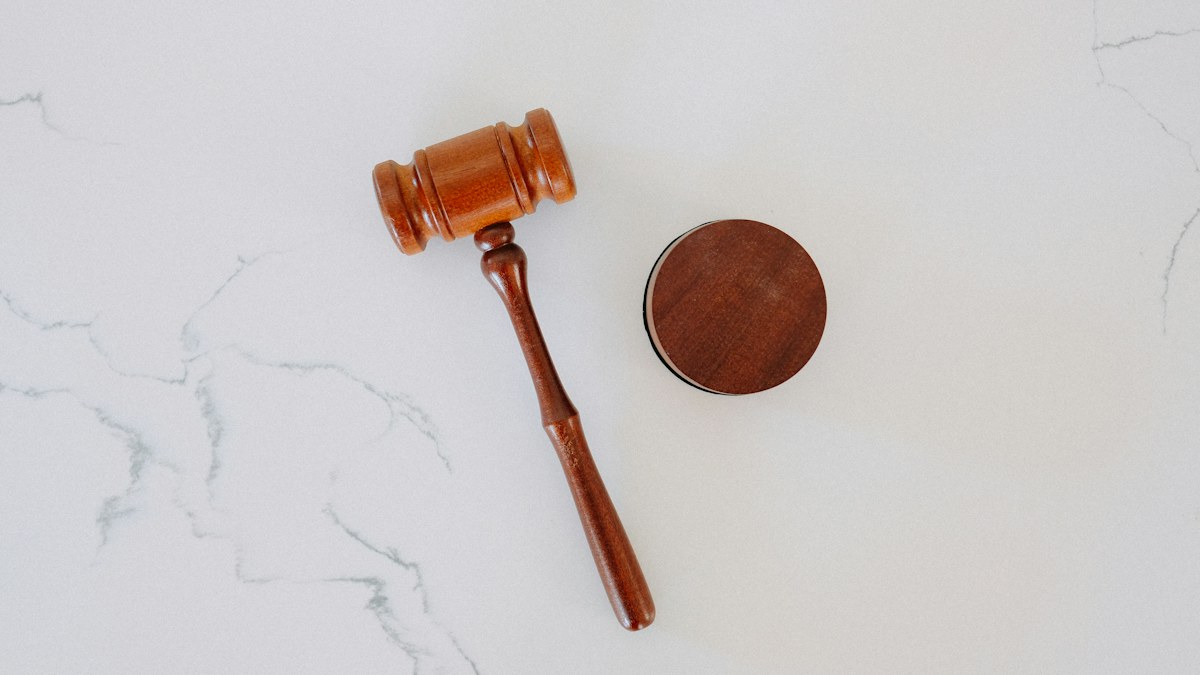
Chairwoman Patricia Monroe hammered her gavel, but the sound was swallowed by the clamor of the gallery. She looked at Henry, who stood near the projector with his hands clasped behind his back, a man who had traded his pension for the lives of every commuter crossing the harbor bridge. Monroe leaned into her microphone, her voice cutting through the noise like a blade. She demanded order, but her gaze toward Vane was sharp with realization. She had seen the data, and for the first time in her twenty-year career, she saw the sheer scale of the rot she had been fighting to expose.
Vane stood up, his chair scraping against the marble floor with an abrasive, jarring sound. He turned toward the cameras, spreading his arms wide as if to embrace the scrutiny. He began his rehearsed defense, claiming the data was a fabrication, a desperate act of a disgruntled former employee seeking retribution for a lawful termination. He painted Henry as a senile, bitter man who had manipulated the ultrasonic readings to mimic structural defects. The gallery fell silent, listening to the smooth, practiced cadence of a man who had never lost an argument, while Henry simply watched, waiting for the trap to spring.
The contractors behind Vane nodded in unison, their expressions one of practiced concern for public safety and corporate integrity. They had controlled the narrative for decades, buying off inspectors and burying engineering reports with the casual ease of tossing trash into a bin. Vane stepped closer to the podium, his voice lowering to a somber, intimate register. He spoke of the bridge as a monument to progress, a marvel of modern engineering that was being slandered by a man who couldn't accept his own obsolescence.
Henry felt the weight of the room shifting. The reporters were recording, but they were also looking at Vane with an newfound, dangerous skepticism. They were waiting for the contradiction. Henry didn't need to shout; he only needed to hold his ground while the clock ticked down. The contractors were so convinced of their own invincibility that they failed to notice the light on the projector wasn't just mirroring the feed; it was pulling metadata from the bridge authority's private, encrypted servers in real time.
A sudden, low hum began to emanate from the walls of the hearing room. It was the sound of the digital archives being unlocked, a rhythmic, mechanical pulse that seemed to vibrate through the floorboards. Vane faltered for a fraction of a second, his confidence flickering like a dying bulb. He looked toward the back of the room, expecting his security team to silence the signal, but the doors were blocked by a cadre of federal investigators who had arrived with the sirens.
Monroe looked down at her tablet, her eyes widening as the first set of raw, unedited logs spilled across her screen. She didn't look at Vane anymore; she looked at the contractors, whose faces had turned the color of ash. Henry took a step forward, his voice finally breaking the silence. He didn't raise it, but the room went deathly still as he spoke. He didn't speak of malice or revenge; he spoke of the six thousand bolts that held the harbor bridge together, every single one of them compromised by the greed of the men currently standing before the Senate.
Vane tried to interrupt, his voice rising in panic, but his own microphone began to screech with a high-pitched feedback that forced everyone in the front row to cover their ears. It was an involuntary confession of the technical sabotage that had been running the show for years. The room erupted into a roar of realization. The trap wasn't just a recording; it was a mirror reflecting the entire corrupt infrastructure of the city right back at its architects.
Henry looked at the ceiling, feeling the phantom weight of the bridge he had spent his life inspecting. He saw the faces of the families who crossed that span every morning, unaware that they were driving over a ticking time bomb. The fear that had kept him awake for months finally began to dissipate, replaced by a cold, hard clarity. He was no longer the fired inspector; he was the witness to the end of an empire.
The chairwoman leaned back, closing her eyes for a brief moment as if overwhelmed by the weight of the evidence. When she opened them, the compassion for Vane was gone, replaced by a steel-eyed resolve. She signaled for the sergeant-at-arms, and the room began to close in on the contractors. There was nowhere left to run, and for the first time, Vane looked like a man who knew exactly what the consequences would be.
Related Stories