Chapter 1: The Toast of Fools
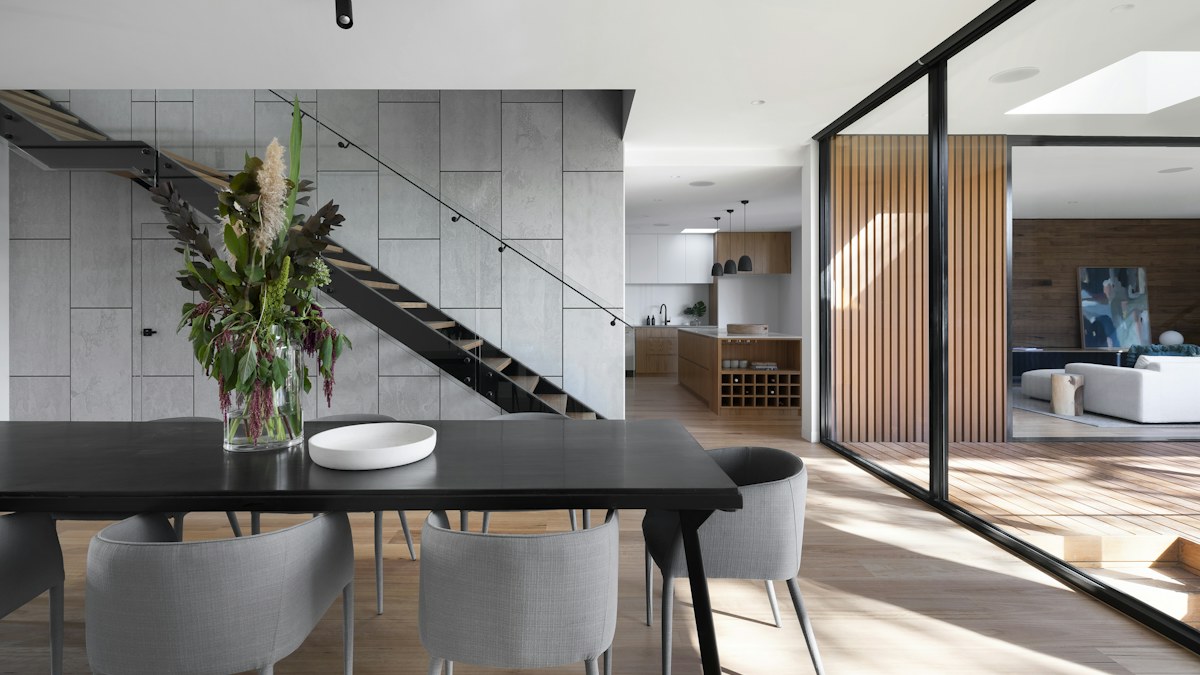
The scent of expensive scotch and cedar wood hung heavy in the Captains study, a room that had always felt like a sanctuary until today. Derek stood by the fireplace, his designer watch catching the light as he swirled a glass of twelve-year-old single malt. Beside him, Madison looked over the legal documents with a smirk that felt like a serrated blade against my skin. The reading of the will had been a surgical strike against my dignity.
So, Sam, Derek chuckled, his voice dripping with practiced sympathy. We all know the ranch is a logistical nightmare for you. It takes a certain kind of person to manage nine million dollars in land and livestock. You are more of a grease-under-the-fingernails kind of guy, right? That is why Grandpa left you the slip at the Old Harbor. It is quaint, in a damp, rotting kind of way.
Madison giggled, adjusting her silk scarf. Honestly, Sam, it is better for you. The maintenance on the main estate would have bankrupted you within a year. You should thank us for taking that burden off your shoulders. We are already talking to developers about the vineyard expansion. It will be the pride of the valley by next summer.
I looked down at the heavy brass key in my palm, the metal pitted with corrosion. It felt like a tether to a ghost. I had spent my entire career as a marine engineer, working on engines that actually hummed with life, while these two had spent their lives waiting for a heartbeat to stop so they could pick the bones clean. I felt the heat rising in my neck, the familiar sting of being the black sheep who actually cared about the man who died.
It is not just a shed, I said, my voice steady despite the adrenaline. It is a working piece of the coastline. Grandpa spent forty years down there. He knew every bolt and piling in that bay. He did not leave it to me because I was a failure. He left it to me because he knew I was the only one who would actually step inside it.
Derek laughed, a harsh, barking sound. Keep the sentiment, cousin. We will keep the millions. Enjoy the seagulls and the damp socks. I hear the high tide floods the floorboards every Tuesday. Maybe you can start a business washing barnacles off abandoned skiffs.
I stood up, the chair scraping sharply against the hardwood floor. The silence in the room suddenly felt electric, heavy with the weight of their arrogance. I did not want their money, but I realized in that moment that I hated their mockery more than I loved my own pride. I grabbed the dusty, water-damaged leather folder the attorney had handed me—my only inheritance.
You two have been so busy planning your vineyard that you never bothered to read the secondary attachments in the probate file, I said, my voice dropping to a dangerous whisper. You see the ranch as a prize. I see it as a liability that you do not even understand yet.
Madison rolled her eyes, turning back to the table. Go play with your boat house, Sam. We have real business to conduct. The lawyers are waiting for our signatures on the land transfer.
I walked toward the door, my heart hammering against my ribs. I did not bother to say goodbye. I stepped out into the crisp Oregon air, clutching the folder like a weapon. The rain was beginning to fall, a steady, rhythmic tapping that sounded like a countdown.
I reached my truck and tore open the folder on the passenger seat. There, clipped to the back of a deed that looked like it had survived a shipwreck, was a yellowed document dated June 14, 1974. It was the original Pier Franchise Renewal Clause, bearing the seal of the County Port Authority.
I scanned the legalese, my eyes widening as the implications slammed into me like a rogue wave. This was not just a boat shed. It was the designated deep-water fueling concession for the entire Northern District. And according to this specific clause, no commercial shipping or dredging could move forward in the harbor without the explicit, notarized signature of the owner of that specific slip.
The $14 million port buyout expansion that the county had been pushing for years—the one that would run right through the middle of the ranch Derek and Madison were so eager to claim—could not happen. Not unless I signed the release. And the clause had a sunset provision that required a public hearing to be triggered within forty-eight hours, or the rights would revert to the state, making the harbor project illegal.
I looked back at the ranch house, watching through the rain-streaked windows as Derek and Madison toasted with their expensive scotch. They were planning to sell the land for a fortune, oblivious to the fact that they were trying to sell property that was legally locked behind my shed door. My phone buzzed in my pocket. It was the Harbor Master. He was calling to schedule an emergency meeting about the 1974 mandate, and his voice sounded panicked.
Related Stories