Chapter 3: The Missing Deed

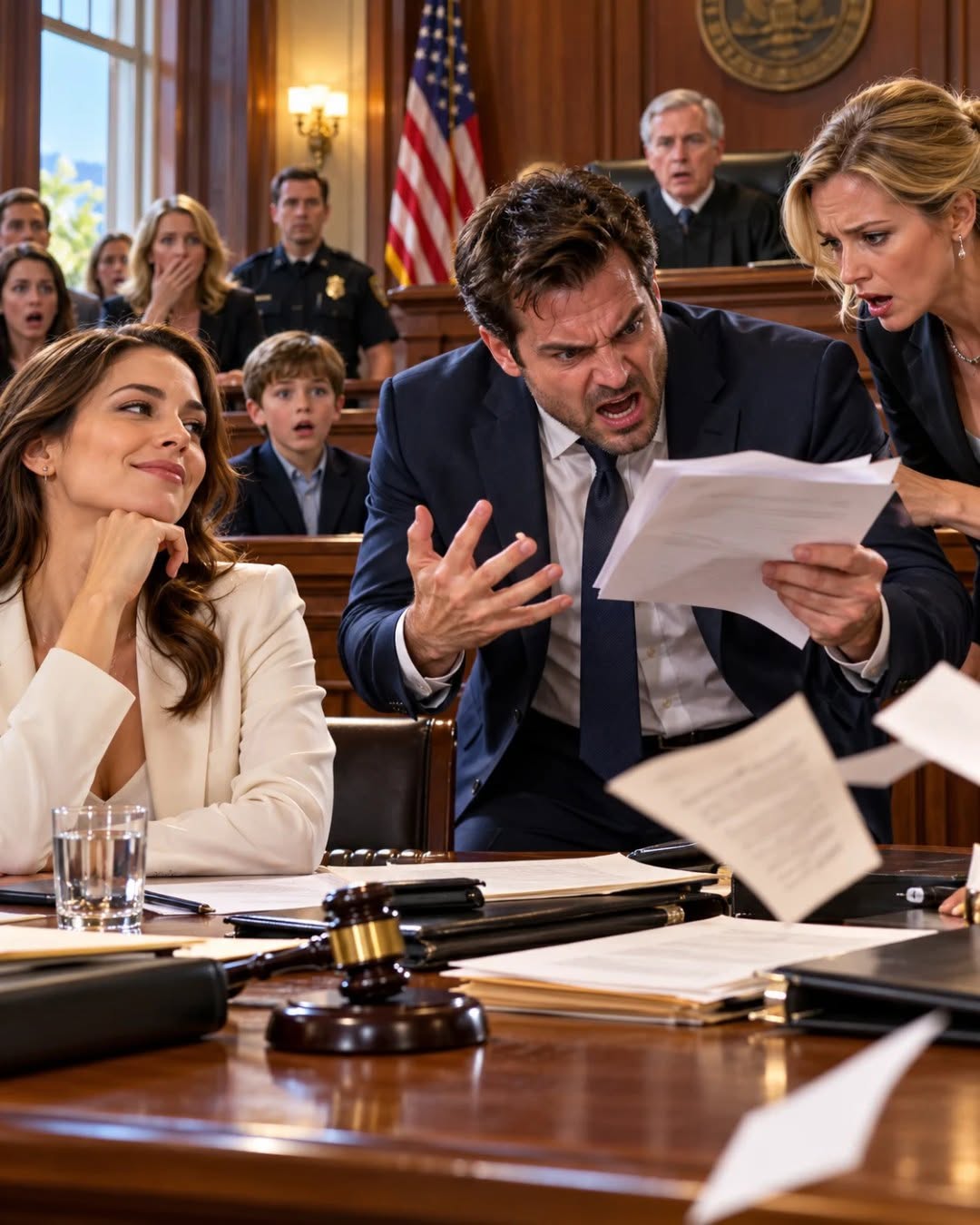
Judge Simmons spent several agonizing minutes reviewing the financial records before looking up.
“Mr. Vance,” the judge said, his voice dropping into a dangerous, judicial chill. “Your clients’ complaint explicitly states under penalty of perjury that they discharged all tax encumbrances on the property. Yet these county receipts demonstrate beyond any shadow of a doubt that the defendant has paid every single assessment for twelve consecutive years. How do you explain that discrepancy?”
Vance swallowed hard, tugging at his collar. “Your Honor... my clients believed... that is, they operated under the assumption that informal family oversight constituted a financial interest, and—”
“An assumption does not alter a county tax ledger, counselor,” Judge Simmons interrupted. “If the financial default claim collapses, the foundation of your quiet title action weakens significantly. However, looking closer at the exhibits, there is a far more fundamental legal puzzle here.”
The judge picked up a separate, older document from the center of his desk—the reference number I had noticed back in my kitchen while reading the initial complaint.
“Both parties have referenced a prior instrument of conveyance executed by the late Arthur Vale in November 2011,” Judge Simmons continued, peering over his glasses at my father. “Mr. Carter, your complaint relies heavily on the argument that Arthur Vale’s mental competency at the time of the transfer was compromised, and that the deed was executed under undue influence.”
Robert stiffened, his posture straightening as he exchanged a quick, nervous glance with my mother.
“Yes, Your Honor,” Robert said, speaking up before his lawyer could fumble the explanation. “My father was eighty-four years old when he signed that paper. He was grieving, isolated out there on that farm, and my daughter... well, she manipulated a lonely old man into signing over land that rightfully belonged to the family estate as a whole, rather than just one rebellious child who had abandoned us for the military.”
I gripped the edge of the defense table. *Manipulated him?* Grandpa Arthur had been sharper at eighty-four than my father was on his best day. He had known precisely what he was doing when he handed me the keys to the farmhouse.
Judge Simmons leaned back in his leather chair, tapping a pen against the edge of his desk.
“That is a very specific allegation, Mr. Carter,” the judge observed quietly. “Particularly given that the 2011 deed was drafted, witnessed, and formally recorded by one of the most respected estate attorneys in this commonwealth.”
The judge paused, letting his gaze settle heavily on my father.
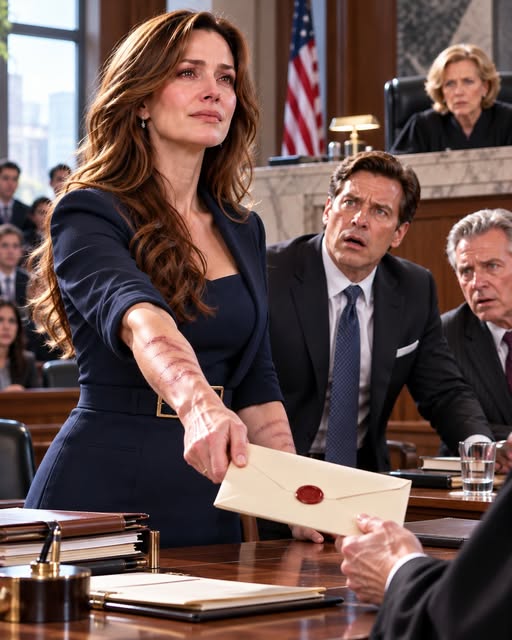
“An attorney whose original file copy—complete with Arthur Vale’s notarized affidavit regarding his testamentary intent—was apparently never seen by your family... until my clerk pulled the master archives from the county registry this morning.”
---
Related Stories