Chapter 2: The After-Action Review
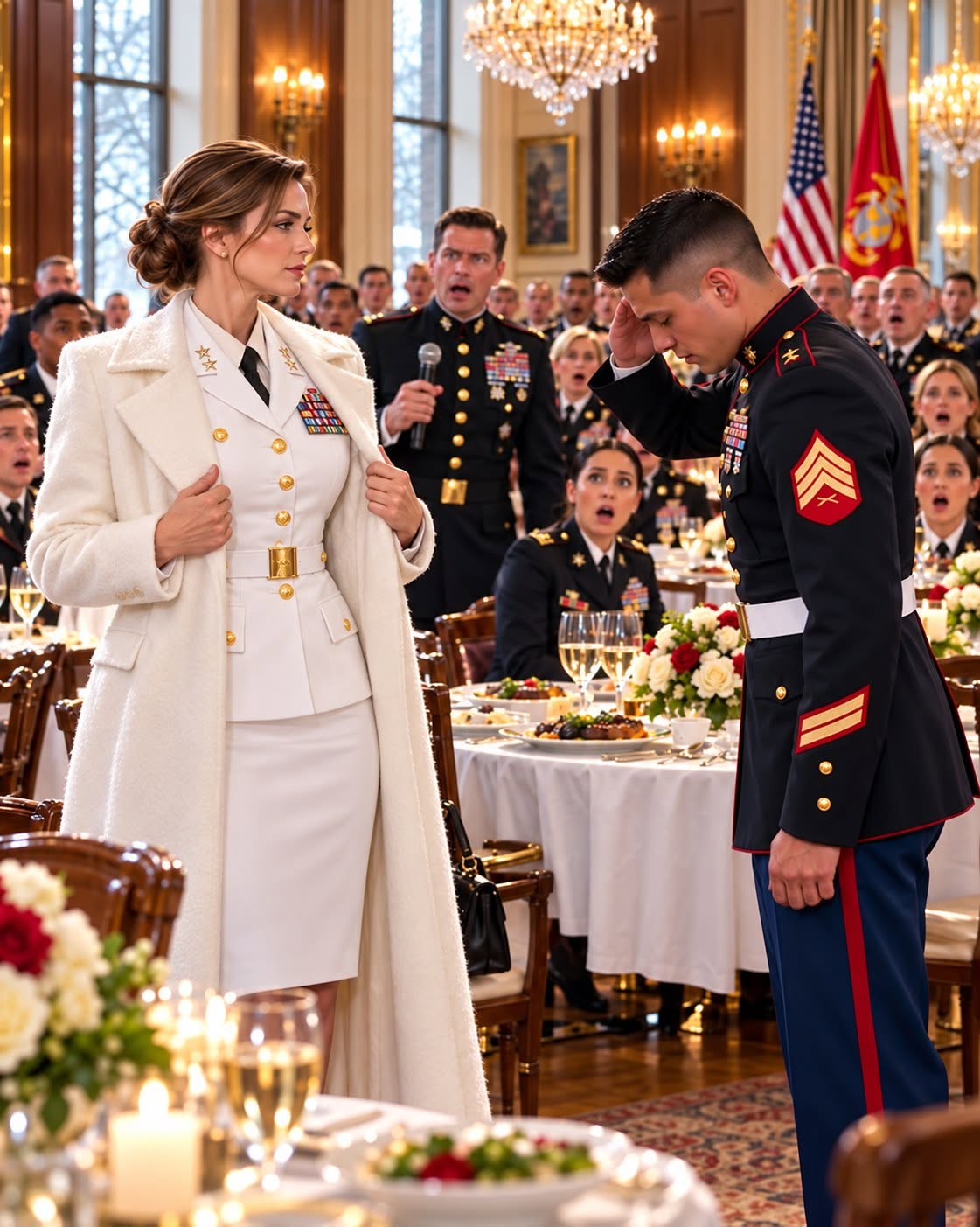
The temperature in the officers’ club felt ten degrees colder than it had when I first stepped through the door.
Nobody was eating. The steaks on the silver platters were growing cold; the beer glasses remained untouched. Every eye in the room was anchored on the bar, watching the career suicide of Major Preston Hale play out in agonizing real time.
“General Vance,” a gravelly voice broke the stillness from the front row.
Colonel Marcus Vance, the installation garrison commander, stood up slowly from his table. His face was a mask of grim embarrassment. As the senior officer responsible for the facility, he knew that Hale’s public display of arrogance under his command reflected directly on his own leadership oversight.
“Colonel Vance,” I acknowledged, turning slightly toward him.
“Ma’am, on behalf of this garrison, I apologize,” Vance said, his voice tight and formal. “This behavior does not represent the standard of conduct expected of officers stationed at this command.”
“I’m well aware of what it represents, Colonel,” I replied, stepping away from the bar so I could address the entire assembly. “It represents institutional rot. It’s the kind of casual arrogance that breeds toxic leadership, alienates junior personnel, and destroys unit cohesion from the inside out.”
I cast a glance back at Hale, who looked as though he wished the wooden floor would open up and swallow him whole.
“For the past six months, my office has been conducting an unannounced audit of regional garrison culture, administrative fairness, and leadership pipelines across this sector,” I said, watching the subtle shifts in posture among the battalion commanders seated around the room. “This facility was next on my inspection schedule. I chose to walk in unannounced, without escort, specifically to see how a stranger—anyone perceived as vulnerable or subordinate—would be treated by the leadership here.”
A collective shudder seemed to ripple through the senior officers. Several majors who had laughed along with Hale’s opening remarks suddenly looked violently ill.
“Major Hale,” I said, shifting my gaze back to him.
“Ma’am!” he snapped automatically, instinctively falling back on military reflex.
“You told me the enlisted dining facility was two buildings over and suggested they might find something for me to do,” I said softly, stepping closer. “As of 0800 tomorrow morning, your suggestion will be implemented.”
Hale’s eyes widened in horror. “General?”
“You are hereby relieved of your duties as executive officer of the 3rd Battalion, effective immediately,” I announced, each word dropping like lead into the silence. “You will report to the garrison logistics depot at dawn. You can spend the next thirty days personally supervising the mess hall cleanup, scrubbing grease traps, and learning what it actually means to serve the people who wear this uniform, rather than using your rank as a prop for your ego.”
A sharp intake of breath echoed through the room. Relieving a major on the spot in front of his peers was rare; doing it for pure moral failure of character was catastrophic for his career trajectory.
Hale opened his mouth to protest, to invoke his service record, to beg—but the look in my eyes stopped him cold. He knew there was no appeal. He had built his entire stage on public humiliation, and the curtain had just dropped on him.
“Get out of my sight, Major,” I commanded quietly.
Hale dropped his head, turned on his heel, and practically bolted toward the side exit, pushing past the heavy doors without daring to look back once.
---
Related Stories